


How to Count Bicycles on City Streets with SensMax TAC-B 4G Radar

Municipal traffic teams use SensMax TAC-B 4G radar to collect directional bicycle counts and anonymous corridor flow metrics across active city streets without road trenching or camera privacy concerns. Built-in 4G LTE connectivity, pedestrian-versus-cyclist classification, and all-weather 60 GHz sensing keep data flowing year-round.
City mobility teams often need reliable bicycle volume data along busy streets, protected bike lanes, and shared corridors before approving new infrastructure or adjusting signal timing. Cutting induction loops into asphalt disrupts traffic and raises civil works costs, while outdoor cameras face low-light glare, weather interference, and strict municipal privacy rules.
The SensMax TAC-B 4G outdoor radar sensor solves this by mounting directly onto an existing street pole and counting moving cyclists anonymously with 60 GHz mmWave radio waves. Because the unit includes an integrated 4G LTE modem, it sends structured traffic statistics straight to your reporting dashboard without local network cabling.
How 60 GHz mmWave Radar Counts Bicycles on Active Streets
Unlike optical sensors that rely on visible light, 60 GHz mmWave radar detects reflected radio signals to measure position, direction, and movement patterns across a wide street zone. Rain, fog, snow, falling leaves, and nighttime darkness do not block detection, so planners receive consistent counts across all four seasons.
On active city streets where sidewalks and cycle tracks run side by side, separating riders from walkers is essential for clean reporting. When wall-mounted or pole-mounted along a corridor, TAC-B 4G distinguishes pedestrians from cyclists and micro-mobility riders such as e-scooter users, keeping modal split metrics accurate without capturing video or personal identifiers.
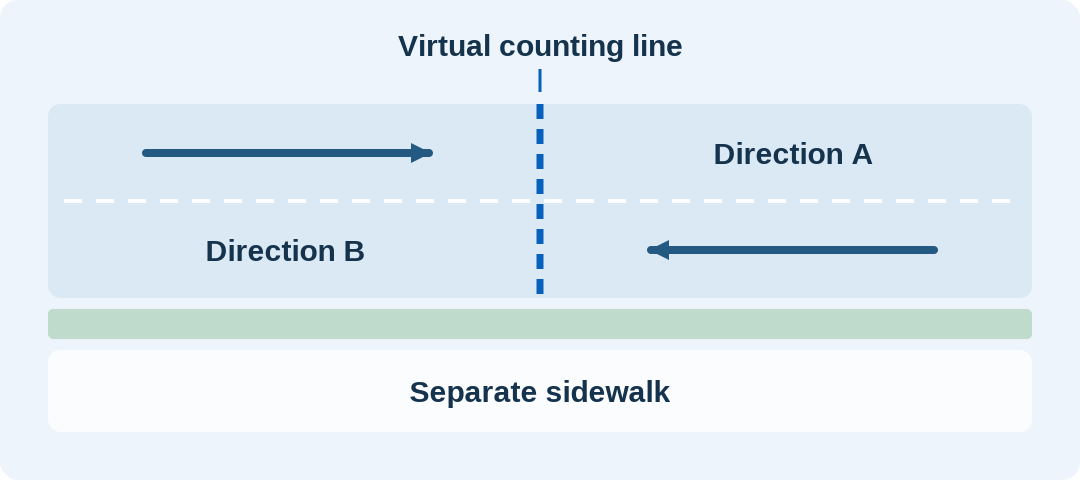
Depending on the street layout, integrators can configure the sensor to deliver two complementary views of cycle traffic:
- Directional IN/OUT counting lines: Draw virtual counting zones across one-way or two-way bike lanes to measure inbound morning commuters versus outbound evening traffic.
- Total Flow 5-minute intervals: Track overall corridor volume every five minutes without requiring strict line crossings, which helps monitor wide shared plazas and open intersections.
- Multi-lane street coverage: Monitor wide cycle tracks and adjacent roadway edges from a single pole-mounted unit instead of installing separate sensors per lane.
Pole Mounting, Azimuth Alignment, and Off-Grid Power
Practical street deployment depends on working with the poles and power sources already available along the corridor. The TAC-B 4G supports pole or wall mounting up to 6 m above the ground with a downward tilt between 0 and 45 degrees, covering the target lane cleanly with no blind spot directly beneath the sensor.
During commissioning, technicians can record the sensor mounting azimuth from 0 to 359 degrees across 8 compass directions. Storing the exact orientation inside the device configuration makes it straightforward for GIS and traffic teams to map directional counts accurately across dozens of intersections in city street bicycle and pedestrian monitoring projects.
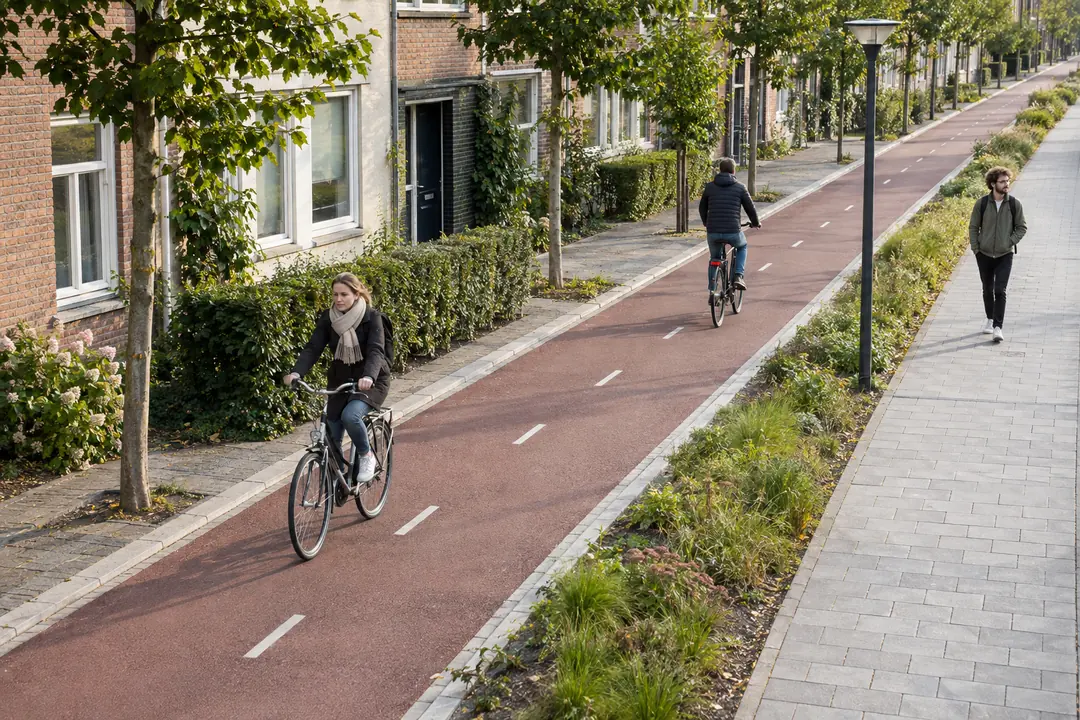
Power availability on street furniture varies by district. Where continuous mains power is present on streetlights, the radar runs directly from an outdoor power supply. On park connectors, bridge approaches, or unpowered signposts, teams can pair the radar with the SensMax SPS20 Solar Power System to keep counting autonomously without trenching power cables.
Turning Street Counts into Planning Reports and Live Telemetry
Field setup and ongoing data retrieval are built around quick deployment. Installers use the included SensMax Prism app to check live target tracks on site, adjust virtual counting zones, verify mounting azimuth, and confirm 4G signal strength before leaving the pole.
Once online, the radar uploads aggregated intervals to the SensMax reporting portal, where traffic analysts inspect hourly and daily count line charts, compare weekday commuter peaks against weekend leisure rides, and export CSV or automated email summaries for municipal reporting.
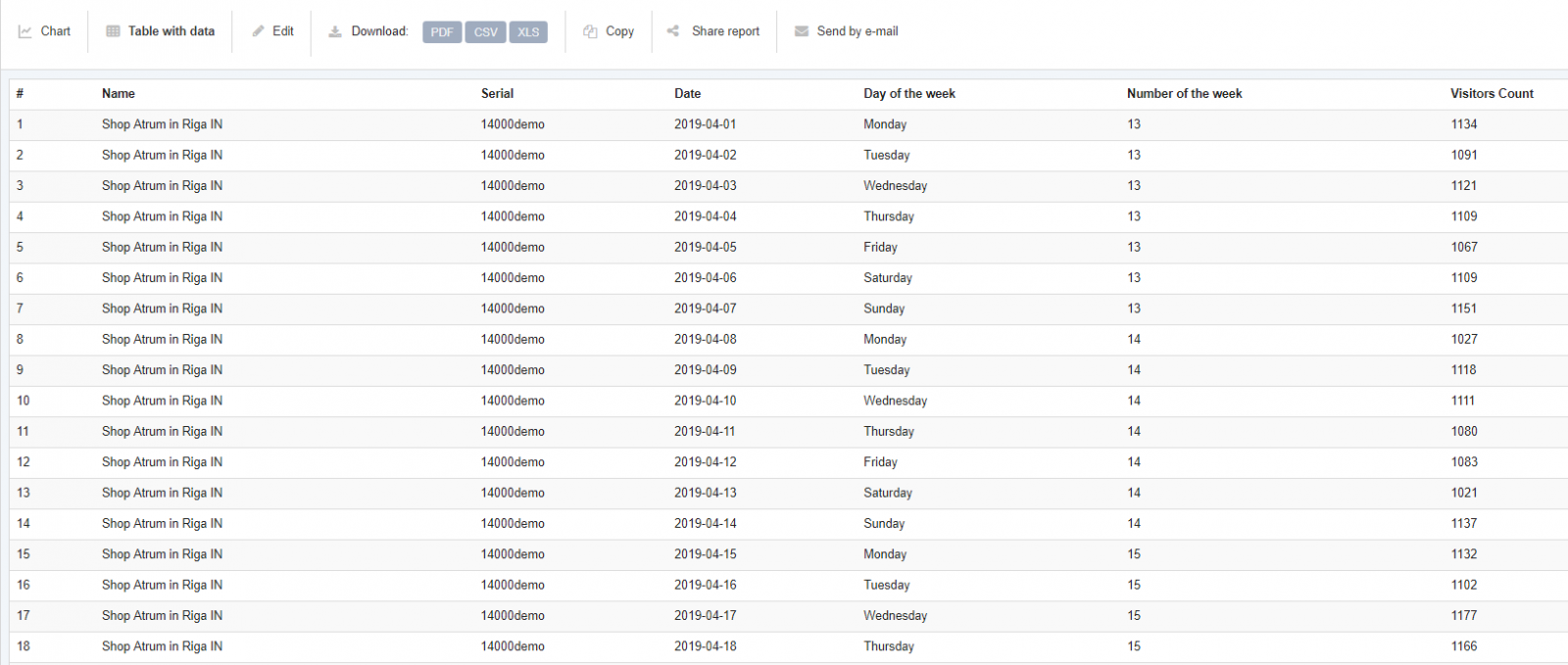
For smart city integrators connecting street sensors to an existing urban mobility platform, TAC-B 4G also supports bidirectional SensMax MQTT v2.0. This enables live telemetry streaming to municipal dashboards alongside remote over-the-air (OTA) firmware management across distributed street deployments.
Key Takeaways
- Non-invasive street deployment: SensMax TAC-B 4G mounts on existing poles up to 6 m high (0 to 45 degree tilt) with no road cutting or trenching.
- Clean cyclist separation: 60 GHz mmWave radar separates bicycles and e-scooters from nearby pedestrians while remaining fully anonymous and GDPR compliant.
- Reliable in all weather: Radio-wave detection maintains consistent counts through rain, snow, fog, and nighttime darkness.
- Flexible connectivity and power: Built-in 4G LTE, optional SPS20 solar power, the included SensMax Prism app, and MQTT v2.0 fit both standalone municipal studies and large smart city networks.
Frequently Asked Questions
Can SensMax TAC-B 4G separate bicycles from pedestrians on shared city streets?
Yes. When mounted on a pole or wall along the corridor, the radar classifies pedestrians separately from cyclists and micro-mobility riders. This gives planners accurate bike lane volume even when sidewalks sit directly next to the cycle track.
What mounting height and angle work best for street bicycle counting?
The sensor supports wall or pole mounting up to 6 m high with a downward tilt between 0 and 45 degrees. There is no blind spot directly beneath the unit, and installers can set the exact mounting azimuth (0 to 359 degrees) to align directional counts with street compass bearings.
Does the radar require underground loops or local Wi-Fi on the street?
No. SensMax TAC-B 4G detects riders remotely above ground and transmits data over its built-in 4G LTE modem. In locations without street mains power, the optional SensMax SPS20 Solar Power System keeps the unit running off-grid.
How can municipal teams integrate bicycle counts into existing smart city dashboards?
Traffic teams can view line charts and scheduled exports directly in the SensMax cloud portal, or use two-way SensMax MQTT v2.0 to stream live telemetry into third-party smart city platforms and manage OTA updates.
Planning a bicycle counting rollout on your city streets or cycle corridors? Share your street widths, mounting heights, and power conditions in the inquiry form below, and our technical team will recommend the right SensMax TAC-B 4G configuration for your sites.
Ask your question
Tell us briefly about your project - our engineers will recommend the optimal configuration and send a quote.