Smart building | People counting


Wireless Infrared People Counting System for Smart Buildings
The SensMax wireless infrared people counting system helps smart buildings measure real footfall and occupancy at entrances, corridors, meeting rooms, and shared spaces. With accurate smart building occupancy monitoring, facility teams can optimize cleaning schedules, adjust HVAC based on real demand, reduce energy waste, and improve comfort and safety across office floors and public areas.
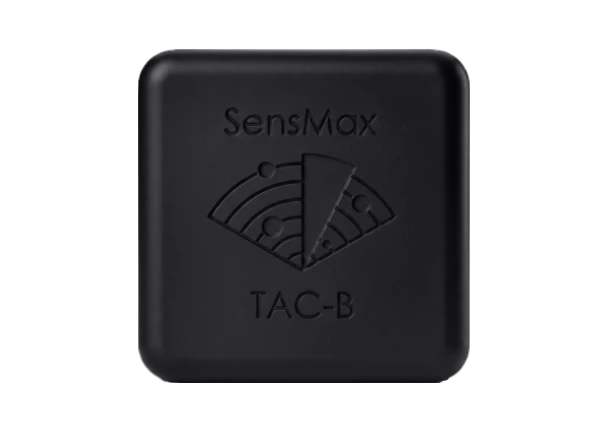
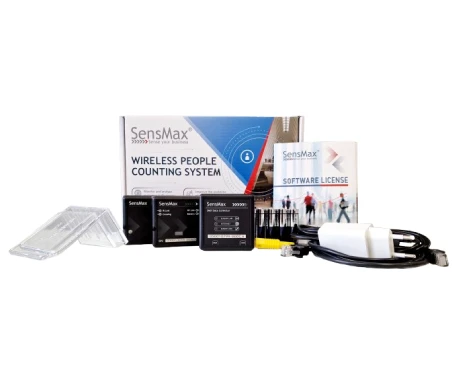
SensMax S1 and D3 sensors are battery-powered, cable-free, and easy to install at doorways. The system delivers occupancy and visitor analytics through SMX gateways to the SensMax reporting platform for building occupancy analytics, workspace utilization insights, and facility management reporting.
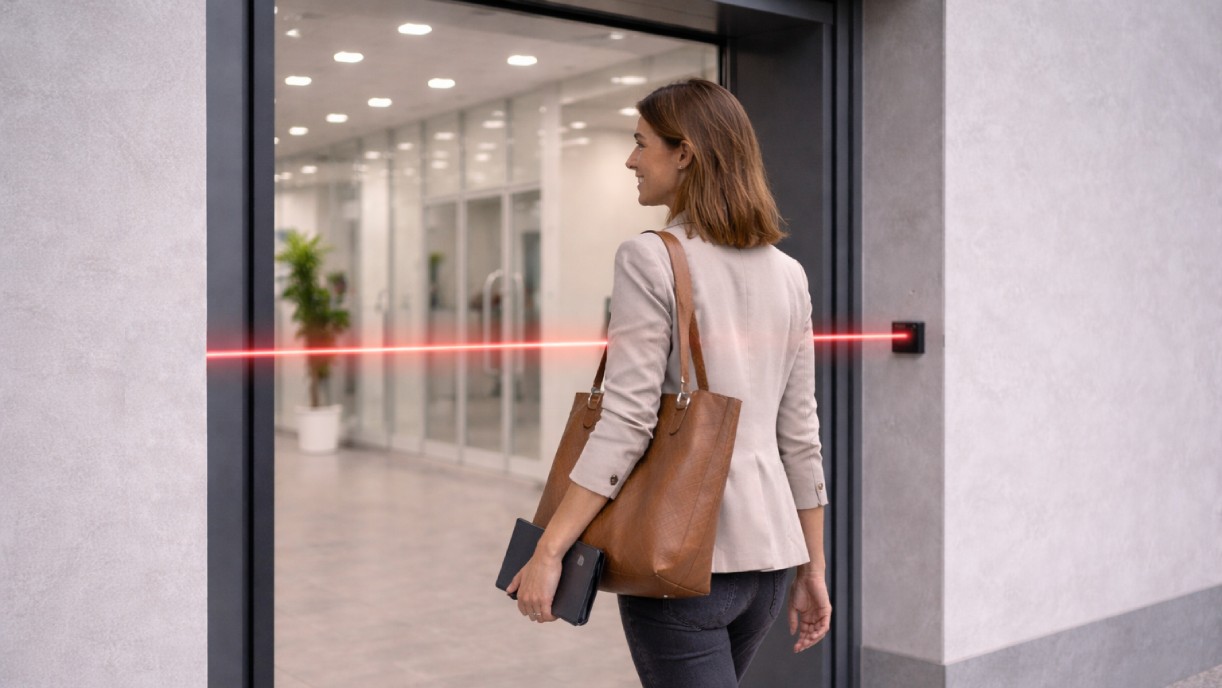
Wireless people counting system for smart buildings.
Why Occupancy Monitoring Matters in Smart Buildings
Smart buildings rely on occupancy data to run efficiently. With infrared people counting at key doorways, building managers can understand how each zone is used, improve service levels, and reduce operating costs using real visitor flow and utilization data.
- HVAC optimization – control heating, cooling, and ventilation based on real occupancy by floor or zone.
- Cleaning-on-demand – assign cleaning resources to high-traffic areas instead of fixed schedules.
- Workspace utilization – track how meeting rooms, corridors, lobbies, and shared spaces are actually used.
- Occupancy compliance – support safe capacity planning for event areas and public zones.
- Facility management analytics – improve maintenance planning with real footfall trends.
Why Infrared People Counting Instead of Cameras
Infrared people counters detect crossings using invisible IR beams and do not rely on video. This makes them a practical choice for offices, universities, and public buildings where a simple retrofit is needed and privacy-friendly counting is preferred.
How the Infrared People Counting System Works
Infrared sensors are mounted on the left and right side of a doorway at chest height. When a person passes through and breaks the beam pattern, the system registers a count. The D3 models provide bidirectional IN/OUT detection for occupancy tracking, while S1 sensors count total crossings. If real-time reporting is required, D3 TS versions provide more frequent updates.
Data is transmitted wirelessly to SensMax SMX gateways, which forward statistics to the cloud or a local server. Each sensor also stores up to 25 days of hourly backup data in case of temporary connectivity issues.
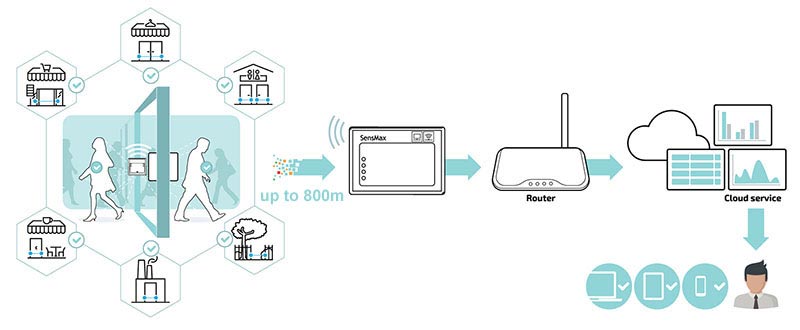
Wireless infrared sensors send occupancy data to the gateway, which updates the reporting platform.
Typical Use Cases in Smart Buildings
- Office entrance counting – track employee and visitor traffic per building or per floor.
- Meeting room utilization – monitor usage of conference rooms and shared spaces.
- Corridor and zone traffic – understand movement between floors, wings, and departments.
- Restroom traffic monitoring – plan cleaning based on real washroom footfall.
- Campus buildings – universities, libraries, and government buildings with many doorways and zones.
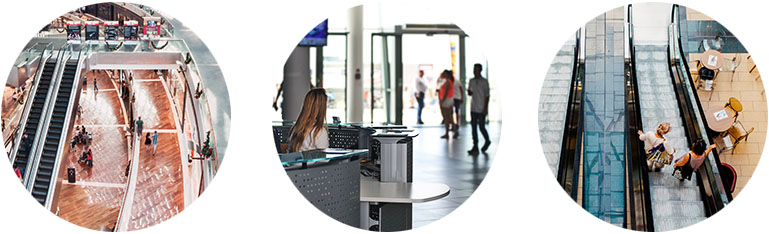
Wireless infrared people counters installed at entrances and corridors for occupancy analytics.
Key Advantages for Smart Building Projects
- Fast retrofit – no wiring, no construction work, and no ceiling access required.
- Battery-powered sensors – long autonomous operation with standard AA batteries.
- Reliable in narrow passages – designed for corridors, doors, and small entrances.
- Backup memory – internal buffer keeps hourly data during temporary connectivity loss.
- Scalable infrastructure – suitable for multi-floor buildings and large campuses using gateways.
System Components
- SensMax S1 – wireless unidirectional infrared people counting sensor for total traffic counts.
- SensMax D3 – wireless bidirectional infrared counter for IN/OUT occupancy monitoring.
- SensMax D3 TS – real-time bidirectional IR counter for more frequent reporting and occupancy updates.
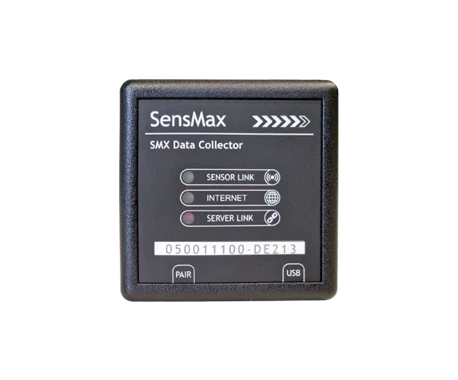
- SensMax SMX Gateways – LAN, Wi-Fi, or long-range gateways for data delivery.
Reporting and BMS Integration
Footfall and occupancy statistics are displayed in the SensMax reporting platform with ready-to-use analytics for peaks, daily summaries, and long-term trends. The system can be used in the cloud or installed locally. For smart building automation and third-party platforms, data can be integrated using API or MQTT.
.jpg)
Dashboards show occupancy per floor, peak hours, and area usage trends for facility teams.
FAQ – Infrared People Counting for Smart Buildings
- What does an infrared people counting system measure?
It measures crossings through doorways and passages and provides footfall statistics. Bidirectional sensors also separate IN and OUT for occupancy monitoring. - Where are infrared people counting sensors installed?
Sensors are mounted on the left and right sides of a doorway at about chest height, facing each other across the passage. - Can the system provide occupancy per zone or floor?
Yes. With bidirectional IN/OUT counting at selected doorways, you can calculate occupancy changes for zones and floors. - Does the system need cabling or external power?
No. Sensors are battery-powered and installed without wiring. Gateways connect to the network to deliver data to reporting. - How is data delivered to the reporting platform?
Sensors send data wirelessly to SMX gateways, which forward statistics to cloud reporting or a local server. - What happens if connectivity is temporarily lost?
Sensors store hourly data in internal memory and upload it when the connection is restored. - Can we integrate occupancy data into BMS or dashboards?
Yes. The system supports integrations via API and MQTT for building management systems and analytics platforms. - Which sensor should we choose – S1 or D3?
S1 is used for total footfall counts. D3 is used when you need separate IN/OUT counts for occupancy monitoring.
Business Impact
With accurate smart building occupancy analytics, facility managers can reduce heating and cooling costs, automate cleaning based on real footfall, and improve space planning. Reliable people counting data supports better resource allocation, lower operating costs, and more responsive building operations.