Toilets | Anonymous people counters


Anonymous Wireless Restroom People Counting System
The SensMax anonymous wireless restroom people counting system helps shopping malls, airports, smart buildings and public facilities monitor real restroom usage without cameras. Camera-free infrared and radar sensors count visitors at washroom entrances and provide accurate footfall data for cleaning optimization, occupancy monitoring and service quality improvement.
With wireless restroom people counting sensors, facility managers can see how many visitors enter each toilet area, detect peak usage times and automatically trigger cleaning workflows based on real traffic instead of fixed schedules. The system delivers clear statistics and alerts while keeping monitoring fully anonymous.

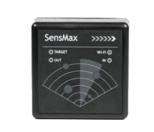
Wireless people counting sensors installed at restroom entrances for anonymous footfall tracking.
Why Restroom Visitor Data Matters
Traditional cleaning schedules often rely on fixed time intervals instead of real usage. With restroom footfall counting, cleaning teams can react to actual visitor traffic, improving hygiene while reducing unnecessary work.
- Cleaning based on real traffic – dispatch cleaning staff when visitor thresholds are reached.
- Reduce unnecessary cleaning – avoid servicing low-traffic restrooms too often.
- Improve hygiene response – detect usage peaks immediately.
- Compare washroom usage – analyze traffic per floor, building or location.
- Optimize staffing – allocate cleaners based on real visitor flow.
How the Anonymous Restroom People Counting System Works
Wireless sensors are mounted on both sidewalls of a restroom entrance at chest height. When a person crosses the doorway, the infrared beam or radar detection registers a count. Bidirectional D3 sensors identify IN and OUT movement, allowing accurate washroom occupancy monitoring.
Sensor data is transmitted wirelessly to the SensMax SMX gateway, which forwards statistics to the reporting platform. Data upload intervals depend on the selected sensor model and reporting configuration. Each sensor includes internal backup memory to protect data during temporary connectivity loss.
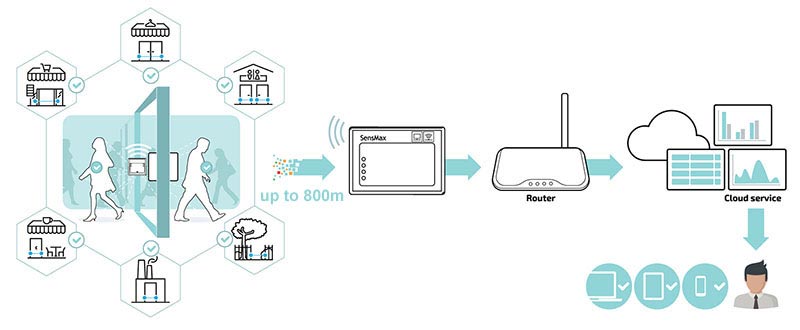
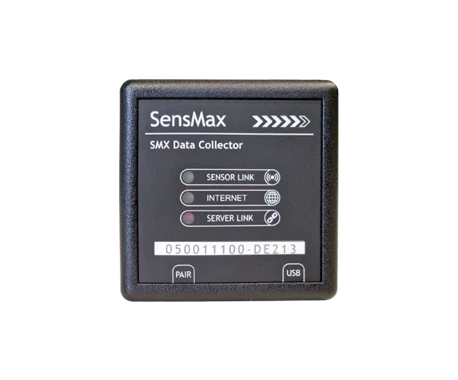
Anonymous restroom footfall data is transmitted via gateway to reporting dashboards.
Typical Installation Points
- Men’s and women’s restroom entrances
- Accessible / disabled toilets (WC)
- Food court and public area washrooms
- Airport or transport hub restrooms
- Event venues and public facilities
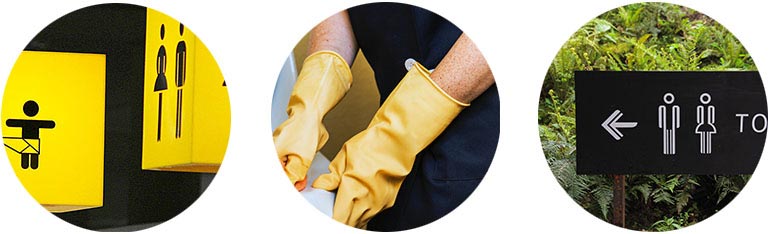
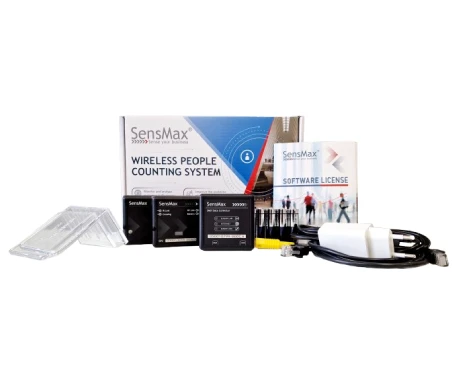
Wireless people counting sensors for toilets and washrooms.
Key Advantages
- Anonymous counting – no cameras or personal data collection.
- Wireless installation – no cabling required.
- Accurate restroom footfall analytics – reliable traffic data for cleaning optimization.
- Long battery life – up to 2 years operation.
- Internal backup memory – up to 25 days of hourly data.
- Scalable deployment – suitable for multi-building facilities.
Reporting and Integrations
All restroom traffic data appears in the SensMax reporting platform with hourly, daily and long-term analytics. Facility managers can monitor washroom occupancy trends and configure automated alerts when visitor counts exceed predefined limits.
- Real-time or periodic reports depending on sensor model.
- Automated cleaning alerts based on visitor thresholds.
- API and MQTT for integration with facility management platforms.
- Cloud or local installation options.
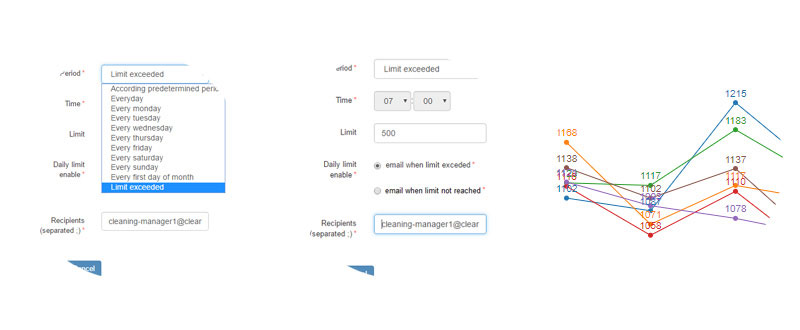
Reports help optimize restroom cleaning schedules and analyze visitor traffic patterns.
FAQ – Restroom People Counting
- Does the system use cameras?
No. SensMax uses anonymous infrared or radar sensors and does not capture images. - Can occupancy be tracked?
Yes. Bidirectional sensors detect IN/OUT movement for occupancy monitoring. - Where are sensors installed?
Sensors are mounted on both sides of restroom entrances at chest height. - Can cleaning alerts be automated?
Yes. Alerts are triggered when predefined visitor thresholds are reached.
Business Impact
Using anonymous restroom people counting, facilities can switch from fixed cleaning schedules to data-driven cleaning-on-demand workflows. This improves hygiene, reduces operational costs and helps maintain consistent service quality across all restroom locations.