
What Footfall Counting Means for Modern Retail
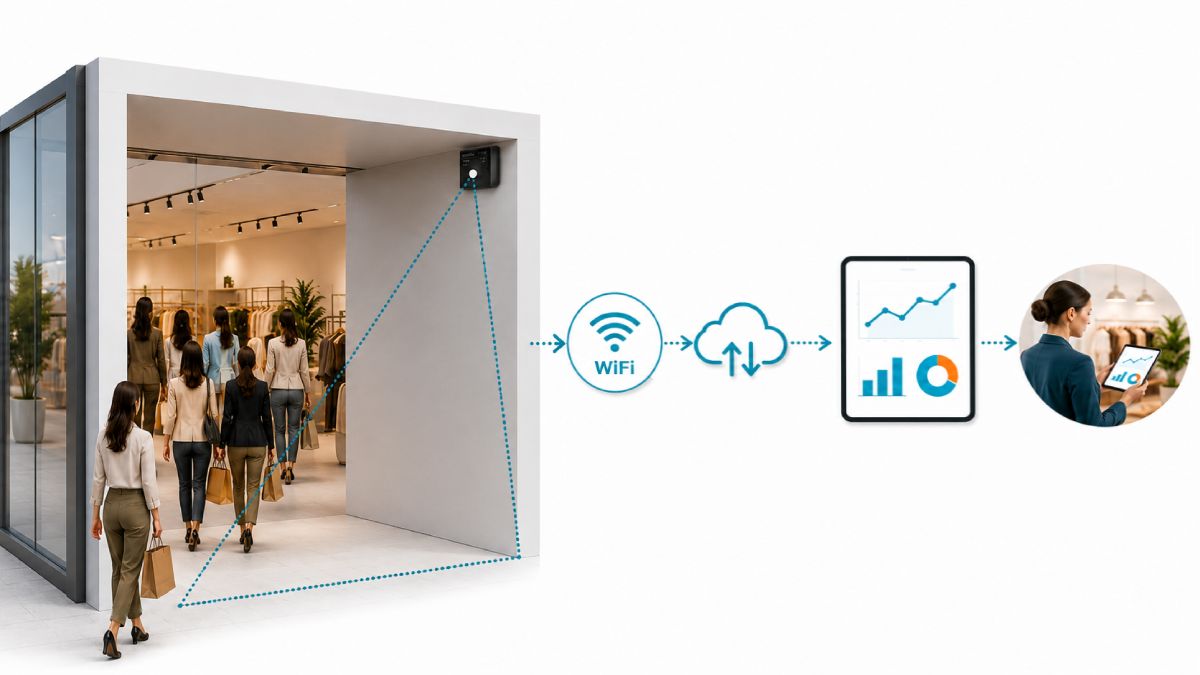
Footfall counting means measuring how many people enter your store, when they visit and how they move around. A sensor placed near the entrance records entries and exits, while additional sensors can help understand which areas visitors use most.
This data removes the guesswork from statements like “today felt busy.” Over time, footfall metrics help retailers improve staffing, store layout, promotions and daily operations.
Modern systems usually rely on infrared or radar technology. Infrared people counters, such as the SensMax D3 model, use IR beams to count people entering or exiting the store without cabling or complex setup.
Radar-based people counters such as the SensMax TAC-B 3D-W Radar Sensor use mmWave radar technology for real-time people counting, occupancy monitoring and visitor flow analysis, especially in larger retail spaces.
How Footfall Data Connects to Retail Performance
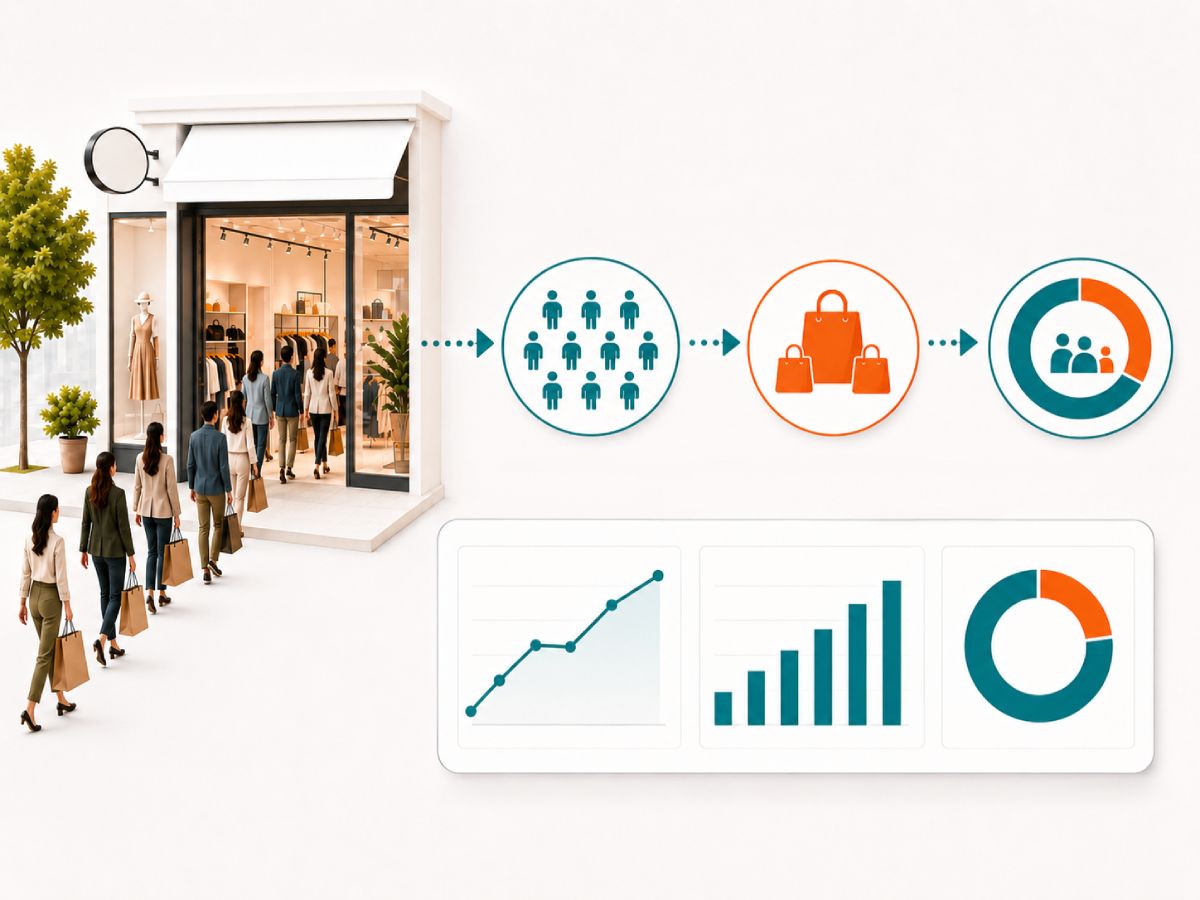
Retailers already track sales, revenue and average basket size. Footfall counting adds the missing context: how many visitors created those sales opportunities.
Track Conversion, Not Just Sales
Sales data shows how much you earned. Footfall data shows how many opportunities you had. When you combine both, you can calculate the conversion rate.
For example, divide the number of purchases by the number of visitors and multiply by 100. If conversion is low despite strong visitor traffic, managers can review pricing, product mix, merchandising or service quality.
Identify Peak Hours and Staffing Needs
Every store has its own rhythm. Footfall data shows exactly when customer traffic rises and falls, making it easier to plan staffing based on real demand.
This helps ensure customers are supported during busy periods while avoiding unnecessary staffing during quiet hours.
Understand Traffic Patterns Inside the Store
People counters are not limited to entry counts. Some systems, such as SensMax TAC-B 3D-W, can help analyze how visitors move within larger retail spaces.
This allows retailers to identify high-traffic zones, low-traffic areas and sections where visitors spend more time. When combined with sales data, these insights help detect product, pricing or layout issues.
Measure the Real Impact of Campaigns and Promotions
Footfall data makes it easier to measure whether promotions, displays or advertising campaigns increase store visits. Retailers can compare normal traffic patterns with campaign periods to see what works and what needs improvement.
Using Footfall Insights to Improve Customer Experience
Retail performance is closely connected to customer experience. Footfall insights help stores reduce friction, improve comfort and create a smoother shopping journey.
Reduce Queues and Waiting Times
Long queues can quickly turn a positive store visit into a frustrating experience. Footfall data helps managers identify recurring peak periods and open additional registers or assign more staff before queues become a problem.
Create More Comfortable Store Layouts
If some areas become crowded while others remain unused, the layout may need adjustment. Footfall analytics helps retailers understand where people move, where they stop and which zones need more space or better product placement.
Optimize Product Placement and High-Traffic Zones
Most stores have high-traffic areas and dead zones. By identifying these patterns, retailers can place key products, seasonal displays or promotions in the most visible locations.
Turning Visitor Data into Smarter Retail Decisions
Footfall traffic is a practical growth tool for modern retailers. It helps managers understand the full customer journey, from entry to movement inside the store and final purchase.
With reliable retail footfall analytics, businesses can improve performance, increase conversion and deliver a better experience for every customer who walks through the door.
