Bus Stop | Passenger Counting
People Counting at Bus Stops with Radar Sensors
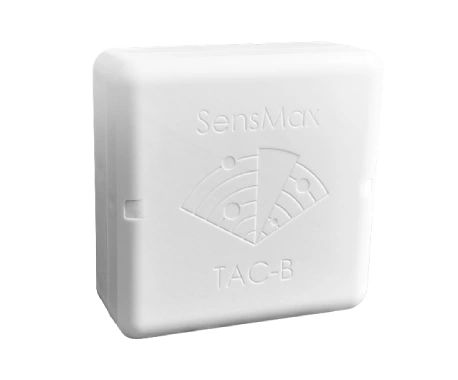
SensMax TAC-B 4G is a radar-based people counting solution for bus stops, passenger waiting areas, and public transport access points. It helps municipalities, transport operators, and infrastructure managers collect reliable bus stop traffic statistics, monitor passenger flow at stops, and understand how transport stops are used over time. Combined with the SPS20 solar power system, the solution supports bus stop passenger counting, stop usage monitoring, and transport planning with real-time data for route optimization, service planning, and Smart City reporting.
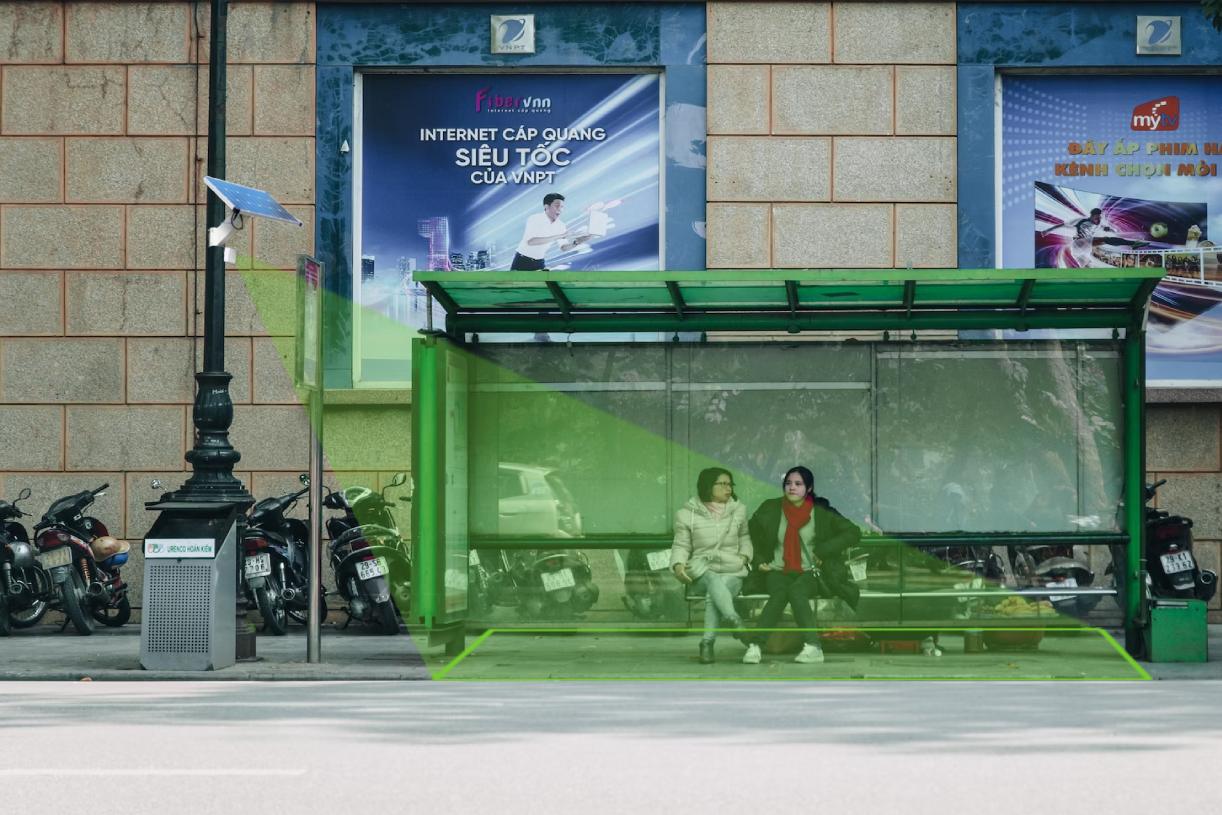
Radar sensor with solar power installed for people counting at a bus stop
Why Bus Stop Passenger Counting Matters
Bus stops are key points in public transport networks where passengers arrive, wait, board, and leave vehicles. Understanding how many people use each stop helps transport operators evaluate demand, optimize routes, and plan service frequency more effectively.
Reliable bus stop passenger statistics help municipalities and transport providers identify the busiest stops, compare demand across locations, and evaluate how infrastructure or timetable changes affect passenger flow. The data also helps measure before-and-after results of route adjustments, service improvements, and stop upgrades.
People counting at bus stops helps organizations:
- identify the busiest stops and waiting areas
- compare passenger demand across locations
- optimize schedules and route planning
- prioritize shelters, seating, and digital passenger information systems
- support transport planning with real usage data
People Counting Technology for Bus Stops
SensMax TAC-B 4G uses 60 GHz mmWave radar technology for bus stop passenger counting and passenger activity monitoring in waiting areas. Unlike camera-based systems, the radar sensor analyzes movement patterns and direction without filming or collecting personal data.
As a radar passenger counter for bus stops, TAC-B 4G is suitable for open transport environments where passengers move through waiting zones and stop platforms rather than through narrow corridors. The radar detection principle works independently of lighting conditions and remains effective in rain, fog, snow, bright sunlight, and darkness.
The system detects pedestrians, passengers with bicycles, and scooters and supports configurable lines and zones for flexible stop-level traffic analysis. Integrated 4G connectivity allows remote installations without local network infrastructure.
.jpg)
Passenger activity monitoring at bus stops using SensMax radar counting technology
How It Works
The TAC-B 4G radar sensor is typically installed on a pole, bus stop structure, or shelter support at approximately 2.5–3 m above the monitored area. When passengers enter or move through the configured detection zone, the sensor detects movement, evaluates direction, and records counting events according to the configured logic.
Each sensor can monitor movement within up to a 10 m range and a viewing angle of up to 120°, covering approximately 100 m² under suitable installation conditions. Data is stored locally and transmitted via 4G to the SensMax Cloud platform, where it becomes available for dashboards, reports, and long-term analysis.
Integration with external systems is supported through API and MQTT, enabling connection with transport management platforms, IoT systems, GIS dashboards, and Smart City analytics environments.
Data, Analytics and Monitoring
SensMax provides bus stop usage analytics through a cloud-based dashboard where operators can review hourly, daily, weekly, and monthly statistics.
This data helps transport planners identify peak passenger arrival times, compare usage between stops, and detect long-term changes in passenger demand. Operators can also evaluate how route adjustments, service frequency changes, or new infrastructure affect passenger activity.
Reports can be accessed through a web browser or exported for analysis. API and MQTT connectivity allow integration with AWS IoT, Azure IoT Hub, GIS dashboards, and other transport planning platforms.
Installation
The recommended installation height for TAC-B 4G at bus stops is approximately 2.5–3 m depending on the layout of the waiting area and required coverage zone. Typical mounting points include poles, shelter frames, and stop structures positioned to provide a clear view of the monitored area.
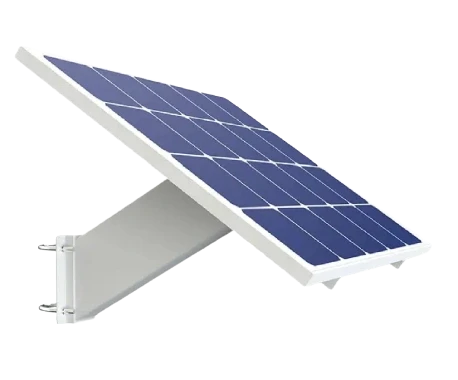
For remote locations, the sensor can be combined with the SPS20 solar power kit. The kit includes a LiFePO4 battery and can power the system for up to 85 hours without sunlight, enabling installation in off-grid locations without electrical infrastructure.
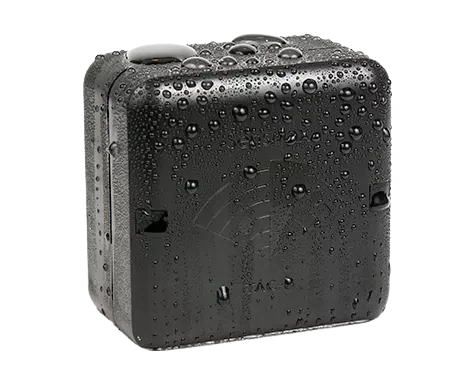
With weather-protected housing and outdoor-ready design, the system supports reliable year-round operation in rain, fog, snow, bright sunlight, and darkness.
Key Technical Advantages
- Radar-based passenger counting without cameras or personal data collection
- Suitable for bus stop waiting areas and passenger boarding zones
- GDPR-compliant anonymous detection
- Up to 10 m detection range with up to 120° field of view
- 4G connectivity for remote installations
- API and MQTT integration for Smart City and transport systems
- Optional SPS20 solar power kit for off-grid installations
- LiFePO4 battery backup supporting operation up to 85 hours without sunlight
- Low-maintenance operation in changing outdoor weather conditions
Real-World Applications
- urban bus stops and passenger waiting areas
- suburban and regional transport stops
- remote rural bus stops without power infrastructure
- interchange stops and multimodal transport hubs
- school transport pickup locations
- park-and-ride access points
- Smart City and transport monitoring projects
Business Impact
Understanding how many passengers use each stop, when they arrive, and which stops experience the highest demand helps transport operators improve service planning and allocate resources more effectively.
Bus stop usage monitoring supports route planning, timetable optimization, infrastructure prioritization, and evidence-based budget decisions. The result is better service quality and more efficient transport network management.
Example in Action
A transport operator installs TAC-B 4G radar sensors with SPS20 solar kits at several bus stops across the city to compare passenger demand between locations.
After several weeks of monitoring, the data shows that morning passenger traffic is concentrated around two residential stops, while another stop is mainly used during evening hours.
Using these statistics, the operator adjusts service frequency on the busiest route and prioritizes infrastructure upgrades at the most active stops.
FAQ
- How do you count people at bus stops without cameras?
Radar sensors detect movement patterns and direction without recording images or personal data. - How accurate is bus stop passenger counting outdoors?
Under suitable installation conditions the system typically achieves about 95–98% accuracy. - Can a solar-powered bus stop counter work year-round?
Yes. The SPS20 solar kit includes a LiFePO4 battery and can support operation for up to 85 hours without sunlight. - How does the sensor send data?
The device transmits statistics via 4G to the SensMax Cloud platform for reporting and analysis. - What is the recommended installation height?
The sensor is typically installed at approximately 2.5–3 m above the monitored area.
Technical Details
| Feature | Details |
|---|---|
| Application | Bus stop passenger counting and waiting area monitoring |
| Technology | 60 GHz mmWave radar people counting sensor |
| Detection angle | Up to 120° |
| Detection range | Up to 10 m |
| Coverage area | Approximately 100 m² |
| Detected objects | Pedestrians, bicycles, scooters |
| Connectivity | 4G / API / MQTT |
| Mounting height | Approximately 2.5–3 m |
| Power supply | SPS20 solar kit with LiFePO4 battery |
| Backup autonomy | Up to 65-85 hours without sunlight |
| Accuracy | Typically 95–98% |