


What Is a People Counter and How Does It Work?

A people counter measures how many visitors enter, exit, or pass through a doorway or walkway. Learn how different counting technologies work and how businesses turn footfall counts into better staffing and layout decisions.
Imagine reviewing yesterday's sales report and seeing 120 completed transactions. Without knowing whether 200 or 900 people walked through the door, you have no way to tell whether the store had a strong conversion day or missed hundreds of potential buyers. A people counter solves that gap by turning physical foot traffic into reliable visitor counts.
In simple terms, a people counter is an electronic sensor installed at an entrance, exit, or walkway to measure how many people pass a specific point. Depending on the industry, teams also call the same device a door counter, customer counter, visitor counter, or footfall counter. Modern wireless sensors count crossings automatically and send hourly and daily totals straight to reporting software.
Why Businesses Track Visitor Traffic
Transaction logs and ticket sales only show what happened at the checkout desk. People counters reveal the other half of the story: how many visitors entered the space, when busy hours occurred, and how external factors shaped demand.
- Measure true conversion rates: Divide daily sales receipts by incoming visitor counts to see whether staffing, merchandising, or queue length helped or hurt conversion.
- Schedule shifts around real traffic: Align staff hours with peak arrival windows instead of relying on guesswork or historical sales averages.
- Evaluate displays and marketing: Compare entrance traffic before and after window changes, seasonal campaigns, or local events.
- Optimize facility operations: Match cleaning rounds, HVAC schedules, and maintenance checks to actual building occupancy rather than fixed timetables.

Main Types of People Counting Technologies
Not every doorway or public hall works the same way, so people counters rely on different sensing methods depending on entrance width, lighting, and power availability.
Infrared beam sensors are the most widely used choice for standard doorways and aisles. A transmitter and receiver create an invisible infrared beam across the opening, or reflect it off a small reflector, and register a count whenever someone walks through. Battery-powered models such as the SensMax S1 wireless people counting sensor track total crossings, while bidirectional units like the SensMax D3 wireless people counter separate incoming and outgoing traffic. Both offer quick non-invasive mounting without power cabling and run for up to 2 years on batteries.
60 GHz mmWave radar sensors fit wide entrances, open plazas, and multi-person zones where a single infrared beam cannot span the full passage or separate people walking side by side. Radar tracks movement anonymously across wider areas without capturing video images.
Thermal, time-of-flight, and camera-based counters mount overhead above wide mall gates or transit corridors. They can cover broad ceiling zones, though they typically require structured cabling, mains or PoE power, and careful compliance with local privacy rules and lighting conditions.
Where People Counters Are Used
Because different sites care about different outcomes, the same core measurement serves several industries:
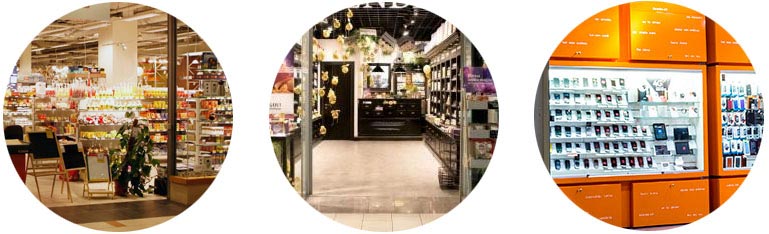
- Retail stores and chains: Store managers combine door counts with POS data in a retail people counting system to benchmark locations and improve sales per visitor.
- Museums, libraries, and galleries: Cultural venues log daily and annual attendance automatically for grant reporting, exhibition planning, and room capacity limits.
- Shopping malls and offices: Property teams monitor corridor footfall to evaluate tenant zones, set fair lease benchmarks, and manage energy use.
- Public washrooms and transit spaces: Facility teams trigger cleaning or inspection alerts after a set number of visits rather than following rigid hourly rounds.
From Raw Door Crossings to Daily Reports
A counter at the door is only useful if the numbers reach the people making operational decisions. Wireless infrared counters store hourly counts internally and transmit them to a compact data gateway connected over Wi-Fi or Ethernet, so store teams do not have to read numbers off the sensor manually.
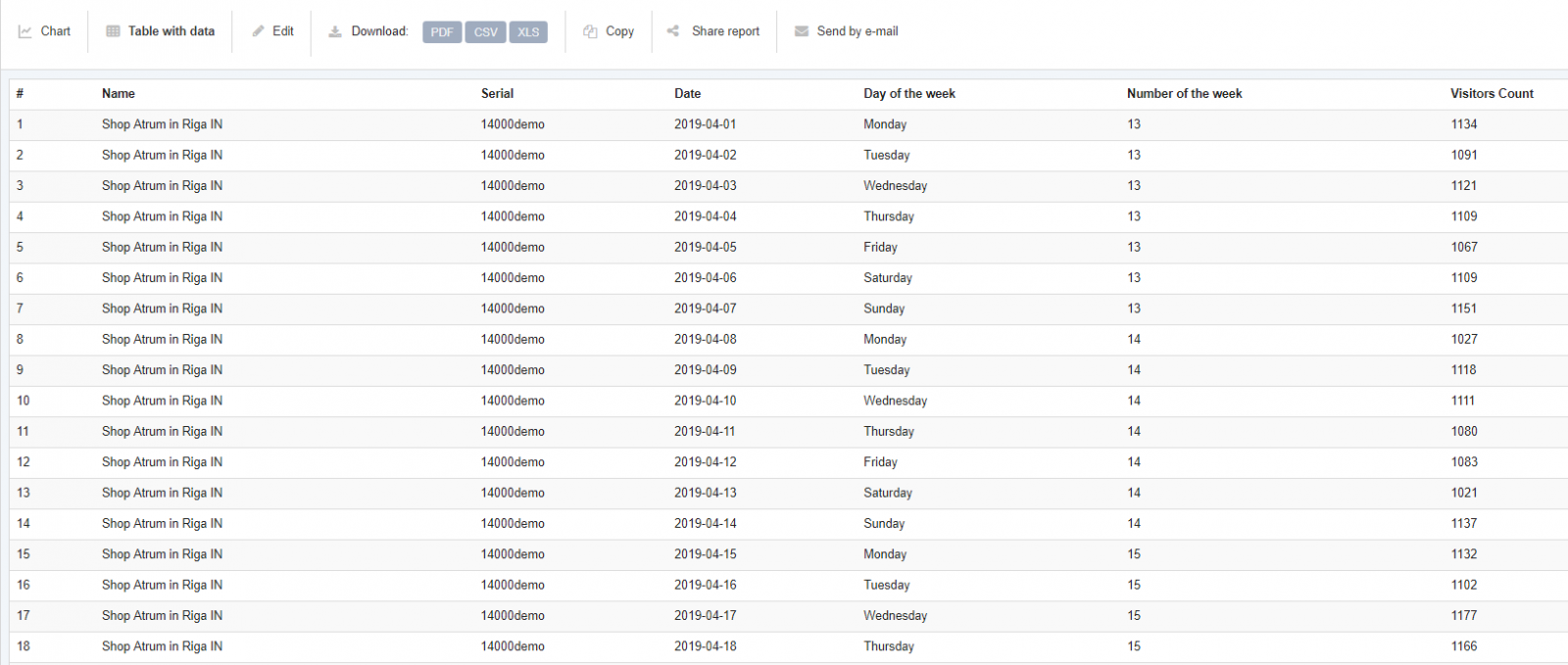
Once synced to reporting software, counts appear in hourly and daily visitor line charts, day-of-week comparisons, and automated email summaries. Multi-site managers can compare branches side by side every morning without opening a spreadsheet.
Key Takeaways
- A people counter is an electronic sensor that counts visitors crossing an entrance, exit, or walkway so businesses can measure real footfall alongside sales or service demand.
- Wireless infrared sensors like SensMax S1 and SensMax D3 fit standard doorways, install without power cables, and run for up to 2 years on batteries.
- Wide open entrances or busy multi-person passages are better served by anonymous 60 GHz mmWave radar sensors or overhead counters.
- Connecting counters to automated reporting software turns raw door crossings into shift schedules, conversion rates, and maintenance triggers.
Frequently Asked Questions
What is the difference between a door counter, customer counter, and visitor counter?
They all refer to the same category of people counting hardware. Teams simply name the sensor after the environment: door counters in libraries or offices, customer counters in retail stores, and visitor counters in museums or public venues.
How accurate are wireless infrared people counters?
In standard single or double doors up to a few meters wide where people walk naturally through the entrance, infrared beam counters provide reliable daily and hourly footfall trends. For very wide entrances where groups walk side by side, a 60 GHz radar sensor is a better fit.
Do wireless people counters capture personal data or video?
No. Infrared beam sensors and 60 GHz mmWave radar sensors detect physical crossings and movement without recording faces, images, or phone identifiers, making them straightforward to deploy under strict European privacy rules.
Can I track multiple entrances or stores in one dashboard?
Yes. Gateways collect data from sensors across one or many entrances and send it to central reporting software, allowing managers to view individual doors, combined store totals, or chain-wide comparisons in one place.
Planning to measure visitor traffic across your entrances or retail locations? Share your door widths, number of sites, and reporting goals in the inquiry form below, and our team will recommend the right SensMax wireless people counters for your layout.
Ask your question
Tell us briefly about your project - our engineers will recommend the optimal configuration and send a quote.